How Investments in Childhood Education Can Create Lasting Economic Impact Across Families and Communities
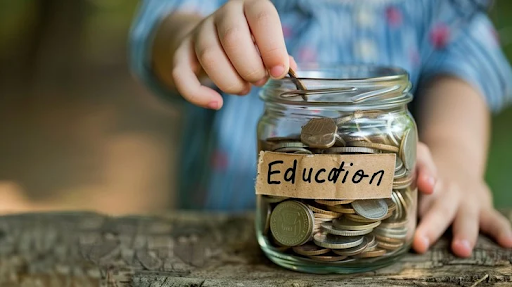
Conversations surrounding economic development often focus on infrastructure, technology, or large-scale investment strategies. Yet research increasingly points to another factor with long-term economic implications, early childhood education. Research shows that high-quality early childhood programs can deliver a 13% annual return on investment through improved education, employment, health and social outcomes. The findings continue to shape broader discussions around workforce development and long-term economic resilience.
According to Tim Wilbur, co-founder of Vineyard India Compassion Trust, those conversations become more tangible when viewed through the lives of individual children and families. Vineyard India Compassion Trust is an organization focused on expanding access to education for children in underserved communities across rural India through initiatives such as the New Song Community School. According to Wilbur, education carries a unique compounding effect because its influence extends far beyond a single classroom experience.
"When a child gains access to education, the impact rarely stops with that child," Wilbur says. "Education influences confidence, opportunity, career direction, and eventually the stability of families and communities around them."
This broader economic relationship has become increasingly relevant as organizations and policymakers continue evaluating how social investment shapes future labor markets. While 89% of children in high-income countries benefit from early education, only 35% of children in low-income countries currently have similar access.
Wilbur believes those disparities reveal how closely education and long-term economic mobility remain connected. From his experience working in rural India, he explains that many families historically viewed opportunities outside agricultural labor or low-income work as unattainable because educational access remained limited across generations. According to him, education often changes skill development and also expectations surrounding what individuals believe is possible for their future.
Over time, Vineyard India Compassion Trust has seen former students pursue careers in technology, law, and other professional industries. Wilbur notes that these outcomes frequently create wider community effects as graduates support relatives, contribute financially to households, and expose younger generations to opportunities that previously felt inaccessible.
"We have watched students move into careers their families never imagined possible," Wilbur says. "Those moments reshape how entire communities think about opportunity and what can happen through education."
The financial implications of that shift are increasingly part of wider economic discussions. The report further shows that investments in early education contribute to stronger employment outcomes and long-term societal well-being. Wilbur suggests that these broader outcomes help explain why education-focused initiatives often create effects that continue long after the initial investment is made.
According to Wilbur, another important aspect of this conversation involves changing how people think about giving itself. Large fundraising campaigns often receive significant attention, yet he believes meaningful progress can also emerge from smaller contributions made consistently across communities.
"A lot of people feel that if they cannot give enormous amounts of money, their contribution does not matter," Wilbur says. "In reality, even small acts of generosity can become part of something that changes a child's future."
That philosophy remains central to Vineyard India Compassion Trust's work. Wilbur explains that educating one child for an entire year through the organization's programs costs approximately $300 annually. In practical terms, he notes that collective small-scale giving can produce outcomes that many people might otherwise assume require far larger financial commitments.
From Wilbur's perspective, the long-term significance of those contributions extends beyond immediate academic support. Education influences employment opportunities, financial independence, and the confidence individuals carry into adulthood. He notes that those outcomes often affect families, local economies, and future generations in ways that are difficult to measure solely through short-term financial calculations.
"The return is measured in human lives, stronger communities, and opportunities that continue expanding over time," Wilbur says. "That is why education remains one of the most meaningful investments people can make."
© Copyright 2023 IBTimes AE. All rights reserved.
- MOST POPULAR IN Business