Dubai’s AI Health Intelligence Momentum and How FacialDx Reflects the Region’s Proactive Care Vision

Dubai's rise as a global destination for artificial intelligence, digital infrastructure, and advanced healthcare innovation continues to accelerate through a combination of policy alignment, investment capacity, and rapid technology adoption. Across the emirate, public and private stakeholders are building systems designed to improve operational efficiency, strengthen healthcare accessibility, and expand the role of intelligent technologies in everyday care delivery. In this environment, FacialDx, an AI-driven facial wellness intelligence platform, reflects a broader movement toward proactive health awareness supported by scalable digital tools.
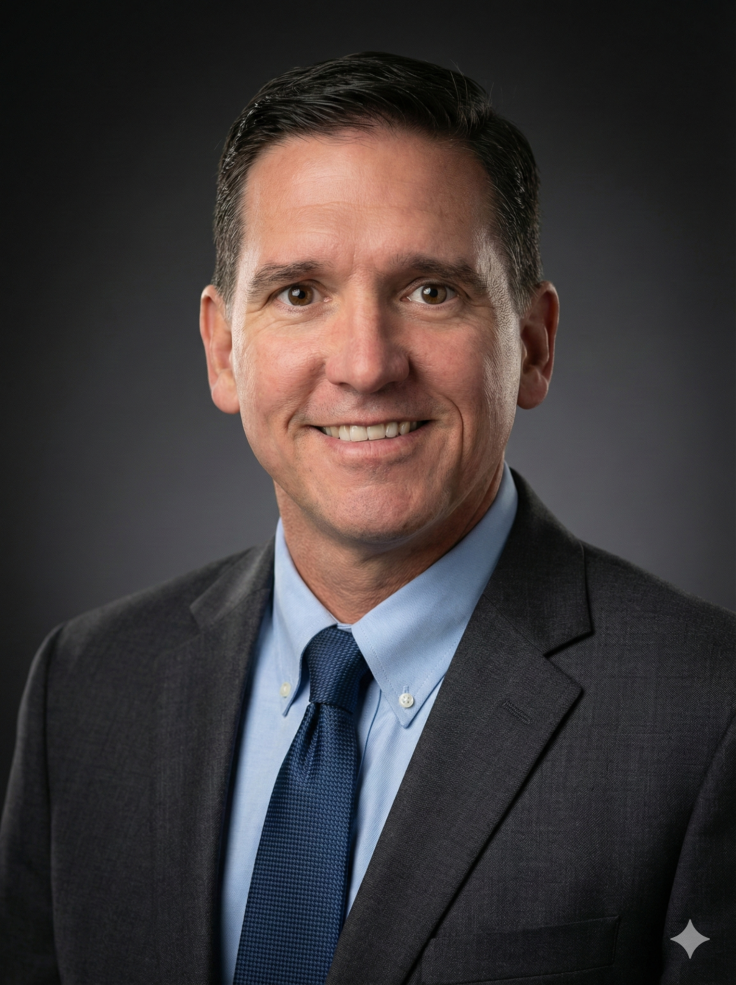
The company notes that Dubai's recent surge in healthcare innovation is unfolding when health systems around the world seem to be experiencing an intensifying strain. "We've seen regions grapple with aging populations, escalating treatment expenses, persistent workforce gaps, and growing demand for long‑term management of chronic conditions," Doug Benoit, CEO of FacialDx, says. "We believe these pressures expose the limitations of models built around episodic appointments and reactive care."
At the same time, FacialDx observes that healthcare organizations are increasingly focused on identifying early risk indicators before they evolve into higher‑acuity events that consume significant clinical resources. This trend, in FacialDx's view, reflects a broader push to expand access while improving operational efficiency.
For instance, there is growing global investment in continuous physiological monitoring systems designed to identify deterioration earlier and support more responsive care pathways. Complementing that trend, a digital health trends report noted the expanding use of digital biomarkers and continuous monitoring technologies in both clinical care and medical research, reflecting broader interest in ongoing health visibility beyond periodic appointments.
"We're seeing signs of a broader shift in how care is delivered," Benoit shares. "Continuous health awareness is becoming more useful because many organizations still have limited insight into what happens between appointments or routine check‑ins. Clinical teams usually receive information only after symptoms become more noticeable, and having earlier context could make it easier for them to prioritize and coordinate care more effectively." Benoit believes that artificial intelligence is now emerging as a practical layer within this evolution, helping organizations process large volumes of behavioral, physiological, and observational data with greater speed and consistency.

Dubai's healthcare ecosystem appears particularly well-positioned for this transition because the region continues to prioritize digital infrastructure and AI adoption at a systemic level. AI is expected to contribute significantly to the UAE economy by 2030, while Dubai's governance model emphasizes interoperability, ethical implementation, secure data ecosystems, and real-time digital capabilities across sectors. Dubai's healthcare initiatives already include AI-assisted disease detection, predictive analytics, and intelligent operational systems integrated across government services.
Additional initiatives reinforce this direction. In 2025, several new AI-focused programs intended to accelerate digital transformation across Dubai's government ecosystem, including the AI Infrastructure Empowerment Platform and the Dubai AI Acceleration Taskforce, were approved. These initiatives support broader integration of AI technologies into public services while encouraging faster implementation, shared infrastructure, and operational coordination.
Healthcare remains a central component of that expansion. The emirate's strong concentration of international healthcare providers, specialist clinics, telehealth operators, and medical investors contributes to an ecosystem where advanced health technologies can be introduced and evaluated across a wide range of care environments.
"This kind of density can create room for proactive wellness tools that help maintain visibility between clinical touchpoints," Benoit explains. "FacialDx is one example of how AI‑supported health insights might fit into that larger ecosystem and offer additional context where it's useful."

The company develops non-invasive facial wellness analysis technology designed to provide general wellness insights through AI-assisted image analysis. Using standard device cameras, the platform analyzes non-clinical visual patterns associated with indicators such as stress load, fatigue, and broader wellness signals. The system is intended to support awareness and informed decision-making while complementing existing workflows across enterprise, telehealth, sports performance, and healthcare-adjacent settings.
Benoit believes the future of healthcare will increasingly depend on continuous access to organized health intelligence. He says, "The next phase of healthcare involves shortening the distance between awareness and action. Providers can spend more time focusing their expertise where it matters most when information becomes easier to access and easier to interpret."
This perspective aligns with what FacialDx sees as a growing interest in clinician‑support technologies across the healthcare landscape. FacialDx notes that AI‑assisted systems are being explored as a way to extend visibility between touchpoints, offering clinicians additional context that may help them direct attention, coordinate care pathways, and navigate operational demands with greater ease.
"In Dubai, this type of approach could be relevant across several areas, including enterprise wellness programs, virtual care platforms, insurance‑driven innovation efforts, public‑sector health initiatives, and workforce readiness programs designed for diverse multinational communities," Benoit states.
Dubai's policy environment also contributes to the viability of these technologies because trust, privacy, and governance remain central priorities within the region's digital transformation agenda. The UAE's Personal Data Protection Law and broader ICT healthcare regulations established frameworks governing personal information management, digital transactions, and healthcare data security. Meanwhile, the Dubai Health Authority's NABIDH initiative expands secure interoperability across healthcare networks. In 2025, DHA announced new AI-powered privacy intelligence capabilities integrated into NABIDH to strengthen patient data protection across more than 1,500 connected healthcare facilities and millions of unified medical records.
Overall, FacialDx emphasizes that Dubai's combination of infrastructure, regulatory adaptability, capital investment, and AI readiness positions the emirate as an influential reference point for proactive health intelligence. Benoit views that momentum as part of a larger transformation already underway across the industry. "Healthcare is entering a period where intelligent systems can help organize information faster, connect people to the right pathways sooner, and support professionals with more immediate context," he remarks. "Dubai has created an environment where those conversations can move from theory into practical implementation."
© Copyright 2023 IBTimes AE. All rights reserved.
- MOST POPULAR IN Science