How Composite Materials Are Transforming Infrastructure in the Middle East as Steel Alternatives Gain Ground
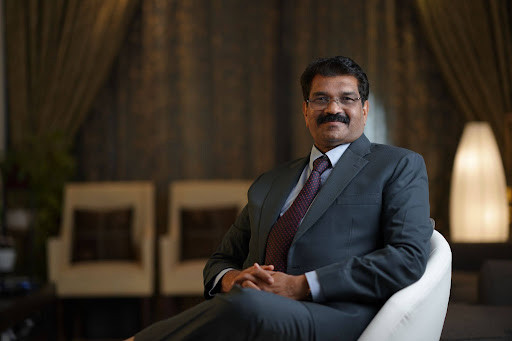
Across the Middle East, infrastructure planning is increasingly shaped by endurance. Water networks, district cooling systems, utility corridors, and industrial facilities must operate in extreme heat and fast-growing cities where service interruptions can carry financial and public consequences over time. For Lal Abdul Salam, founder of Smithline Reinforced Composites, that reality helps explain why reinforced composite materials are receiving greater attention across regional infrastructure.
The demand is tied closely to water and utility investment. A report estimated the Middle East water treatment systems market at $2.04 billion in 2024 and projected it to reach $4.72 billion by 2033, growing at a CAGR of 10.6 percent from 2025 to 2033. In Salam's view, that growth places pressure on infrastructure owners to select resilient materials that can remain stable under harsh conditions across long operating cycles.
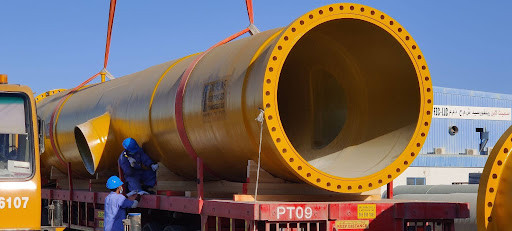
Smithline Reinforced Composites, based in Ras Al Khaimah, UAE, manufactures reinforced composite piping systems and engineered industrial products used across water infrastructure, oil & gas, power, desalination, district cooling networks, municipal utilities, and industrial facilities throughout the region.
"The Gulf region is different because the climate, water quality, and operating demands are different," Salam says. "When an infrastructure project is expected to perform for many years, the material selection has to consider maintenance and the full operating life."
From Salam's perspective, composites gained ground because many projects required alternatives that could handle corrosive conditions with a different maintenance profile than metallic systems. Non-metallic and composite pipes offer advantages including corrosion resistance, light weight, and ease of transportation and installation. Salam says those characteristics matter because desalination-linked networks, cooling water systems, and industrial pipelines often operate where corrosion control is a long-term concern.
He recalls entering the composite sector in the early 1990s, when the material was still developing wider acceptance. According to Salam, early applications were limited, but utility approvals, project experience, and field performance gradually changed how developers viewed reinforced composites. By the mid-2000s, he says, UAE infrastructure projects began adopting composite systems more widely for utility and district cooling applications.
"That period changed the way many people looked at composite materials," Salam says. "The market started to understand that the value was not only in the pipe itself. The value was in faster installation and reliable performance over the life of the project."
According to Salam, Smithline's approach has been shaped by research and development. He says the company has invested in testing, automated production, engineering, supplier relationships, and product adaptation for different operating pressures and field conditions. That R&D focus also extends to waste reduction through efforts to reuse production waste, a priority he connects to the region's wider sustainability goals and the practical needs of industrial manufacturing.
"Innovation and collaboration are the drivers of growth in composite materials," Salam says. "Performance and environmental responsibility have to move together, because infrastructure today is judged by durability and the responsibility behind how products are made."
Salam also notes that logistics delays and raw material constraints have affected manufacturers across the value chain, although he says long-term supplier relationships can help companies manage those pressures with more discipline. From his perspective, timely commitments to suppliers, employees, and clients become especially important when project schedules are under pressure across demanding regional projects.
"One thing I always believed is that trust has to be built before the difficult period arrives," he says. "If suppliers and clients know that commitments are respected, then everyone can work together when the market becomes more difficult."
As the wider Gulf continues investing in water, cooling, industrial, and urban infrastructure, Salam believes composite materials will remain part of the region's long-term engineering conversation. For him, the transition is about matching each project with the material best suited to its environment.
"The Middle East is building for the future, and materials must support that future," Salam says. "Smithline Reinforced Composites gives infrastructure owners another way to think about durability, sustainability, and long-term value as our tagline says, reinforcing the future."
© Copyright 2023 IBTimes AE. All rights reserved.
- MOST POPULAR IN Business